

Best Crib Newborn
Overview
-
Founded Date diciembre 18, 1979
-
Sectors Tecnología
-
Posted Jobs 0
-
Viewed 76
Company Description
20 Things You Need To Be Educated About Baby Cot Bed
The Ultimate Guide to Choosing a Baby Cot Bed: Safety, Features, and More
When it concerns welcoming a new baby, one of the most crucial purchases moms and dads will make is a baby cot bed. This necessary furniture piece is not just where a baby will sleep; it’s likewise a space of convenience, safety, and security. Provided the wide range of options offered on the market today, making an informed decision can be frustrating. This guide intends to simplify the procedure by covering vital functions, safety standards, kinds of cot beds, and much more.
Tabulation
- Introduction
- What is a Baby Cot Bed?
- Security Standards
- Kinds Of Baby Cot Beds
- 4.1 Traditional Cots
- 4.2 Convertible Cot Beds
- 4.3 Portable Cots
- Key Features to Consider
- Selecting the Right Mattress
- Establishing the Cot Bed
- FAQs
- Conclusion
1. Intro
A baby cot bed functions as a devoted sleeping area for infants and is developed to supply convenience and security. As new moms and dads browse the many options readily available, it is crucial to understand the various kinds of cot beds, safety standards, and vital functions to make the very best selection.
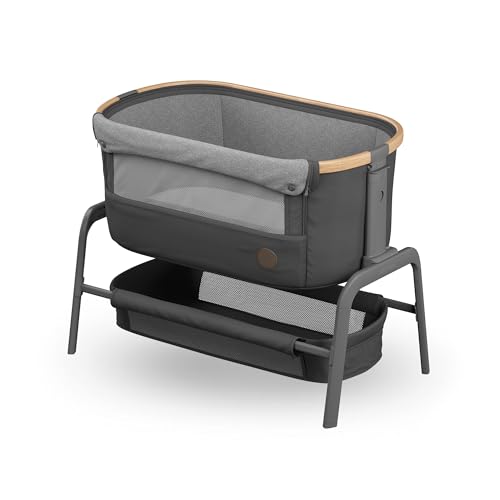
2. What is a Baby Cot Bed?
A baby cot bed is a specialized furniture piece where babies sleep. Unlike regular beds, cot beds are particularly developed for infants and provide a safe environment for them to rest. They normally feature high sides to prevent children from falling out and often included adjustable mattress heights to accommodate a growing child.
3. Security Standards
When selecting a baby cot bed, safety must be the foremost factor to consider. Here are some critical safety requirements to bear in mind:
- Certification: Ensure the cot bed meets nationwide and global safety requirements, such as the ASTM International and Consumer Product Safety Commission (CPSC) guidelines.
- Slat Spacing: The distance between slats need to not exceed 2 3/8 inches to prevent the baby’s head from slipping through.
- Stability: Ensure that the cot bed does not wobble or shake.
- Non-Toxic Materials: Check for non-toxic finishes and materials to ensure the baby’s security.
4. Kinds Of Baby Cot Beds
The market offers various kinds of cot beds, each catering to various needs. Below is an overview of the most typical types:
4.1 Traditional Cots
Standard cots are standalone furnishings products created specifically for infants. They generally come with repaired sides and numerous adjustable mattress heights.
4.2 Convertible Cot Beds
Convertible cot beds can be changed into young child beds, permitting extended usage. This type is an affordable option as it grows with your kid.
4.3 Portable Cots
Portable cots, likewise called travel cots or playards, are lightweight and designed for households on the go. They can be easily assembled and dismantled for travel.
5. Secret Features to Consider
When picking a cot bed, parents must think about the following functions:
- Adjustable Mattress Height: This function enables for decreasing the mattress as the baby grows, making it easier for moms and dads to lift the child.
- Product Quality: Look for a cot bed made from resilient, non-toxic wood.
- Safety Features: Some cot beds include rounded edges and additional security locking systems.
- Relieve of Assembly: Check if the cot bed needs very little tools for assembly and how simple it is to take apart.
- Storage Options: Some cot beds feature built-in drawers for storing baby basics.
6. Picking the Right Mattress
The right mattress is essential for your baby’s sleep quality. Here are some tips for selecting an appropriate mattress:
- Firmness: A bed mattress needs to be firm enough to avoid the baby from sinking in too deep, reducing the threat of suffocation.
- Breathability: Opt for breathable products to make sure appropriate air circulation.
- Water-Resistance: Consider waterproof covers for simple cleaning and hygiene.
7. Setting Up the Cot Bed
Setting up the cot bed properly is essential for safety. Here are steps parents need to follow:
- Choose the Right Location: Good Cribs Place the cot bed far from windows, cables, and other prospective hazards.
- Examine the Height: Adjust the mattress height based on the kid’s age and mobility.
- Get rid of Extras: Avoid positioning pillows, blankets, or stuffed toys inside the cot bed when the baby is sleeping.
- Inspect Regularly: Regularly examine all parts and screws for wear and tear.
8. Frequently asked questions
Q1: At what age should a baby transition from a cot to a bed?
A lot of children transition to a toddler bed in between 18 months to 3 years, depending upon their advancement and specific requirements.
Q2: How can I guarantee my baby sleeps safely in their cot bed?
Make sure the cot is totally free of soft bed linen, toys, and anything that might block the baby’s breathing. Follow all safety standards thoroughly.
Q3: Is it needed to have a different nursery for the cot bed?
While numerous moms and dads choose to have a different nursery, it is not a need. As long as the cot bed remains in a safe and quiet environment, it can be positioned in the moms and dads’ bedroom.
Q4: When is it safe to decrease the mattress?
Normally, the mattress needs to be lowered when the baby can pull themselves up or when they can sit independently, typically around 6 months.
9. Conclusion
Selecting the ideal baby cot bed is a fundamental element of preparing for a brand-new arrival. Moms and dads need to prioritize security, performance, and quality, guaranteeing that the cot bed meets their family’s special requirements. By putting in the time to research and understand different types of cot beds, moms and dads can offer a safe and comfortable sleeping environment for their youngster to prosper.
With cautious factor to consider, parents can make sure that the cot bed is not simply a furniture piece, but a sanctuary where their baby can sleep soundly during those crucial early years.