
Fascias And Soffits
Overview
-
Founded Date agosto 28, 1901
-
Sectors Tecnología
-
Posted Jobs 0
-
Viewed 38
Company Description
The 10 Most Scariest Things About Fascia And Soffit Maintenance
Fascia and Soffit Maintenance: A Comprehensive Guide
When it pertains to preserving a home, the value of exterior components like fascia and soffit can not be overstated. These components not just contribute to the visual appeal of a residential or commercial property however likewise serve essential functions in terms of ventilation, wetness control, and structural integrity. This post looks into fascia and soffit maintenance, covering their meanings, functions, common issues, and efficient maintenance practices to ensure their durability and performance.
Understanding Fascia and Soffit
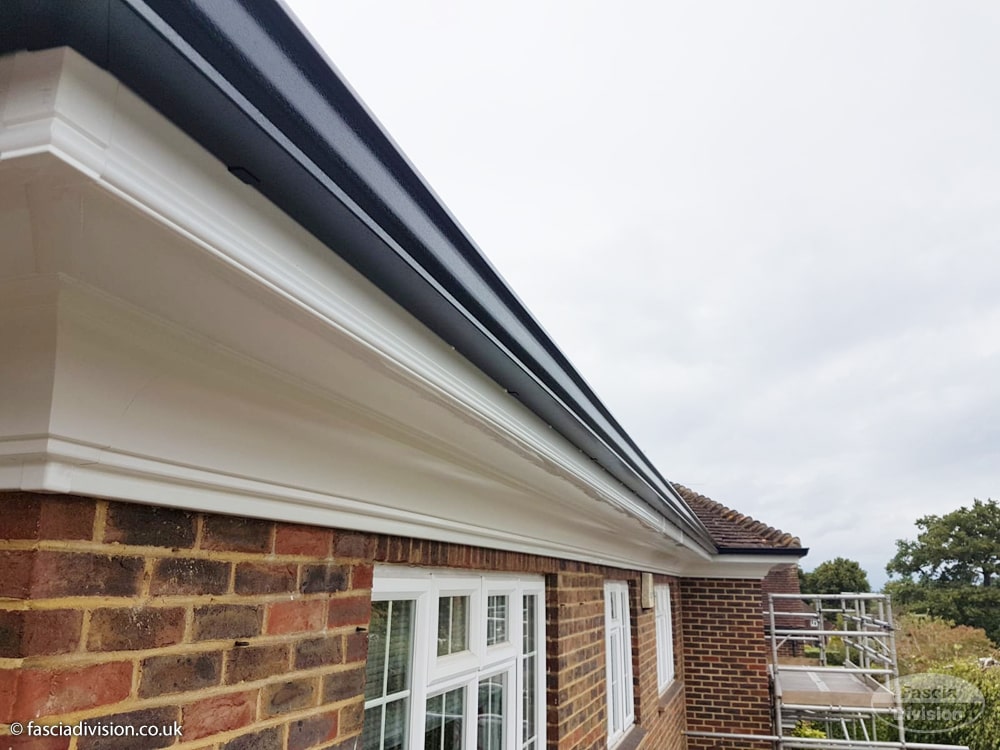
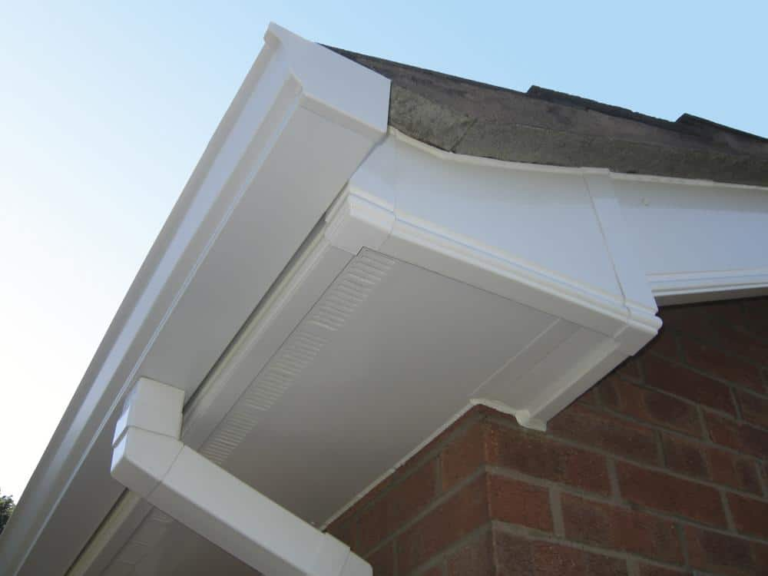
Fascia is the vertical board that runs along the edge of the roofing system, normally where the roof eaves extend. It holds the gutter system in location and is often painted to match or accentuate the outside of the home.
Soffit, on the other hand, is the horizontal board that links the fascia to the home’s exterior wall. Soffits are typically vented to allow air flow into the attic area, promoting ventilation and preventing heat and moisture accumulation.
Functions of Fascia and Soffit
The main functions of fascia and soffit include:
- Protection: They shield the attic and roof structure from the aspects, including rain, snow, and pests.
- Ventilation: The vented soffit enables appropriate air flow, which helps to prevent mold and condensation in the attic.
- Aesthetic Appeal: Both fascia and soffit add to the overall curb appeal of a home, enhancing its visual interest.
Common Issues with Fascia and Soffit
Like any part of a home, fascia and soffit can deal with a variety of problems that may compromise their effectiveness. Common problems include:
- Rotting: Moisture and humidity can result in wood rot in both fascia and soffit, weakening their structural integrity.
- Insect Infestation: Insects, like bees, wasps, and termites, might nest in these areas if left untreated.
- Peeling Paint: As weather condition and time take their toll, paint can start to peel, detracting from the home’s look and enabling more moisture infiltration.
- Gutter Issues: Poorly set up or kept gutters can overflow, resulting in water damage and soil erosion around fascia and soffit.
- Vent Blockages: Dust, particles, and nesting materials can hinder air flow from soffit vents, leading to incorrect ventilation in the attic.
Maintenance Tips for Fascia and Soffit
Regular maintenance is important for guaranteeing fascia and soffit remain practical and attractive. Here are some essential maintenance actions:
1. Regular Inspections
Conduct routine inspections, specifically after severe weather, to look for signs of damage or wear. Try to find:
- Cracks or divides in the fascia
- Indications of rot or mold
- Loose or drooping areas
- Bug activity
2. Clean Gutters and Downspouts
Clogged up rain gutters can lead to water pooling, which increases the threat of decaying fascia and soffit. Guarantee gutters and downspouts are totally free of debris and working successfully:
- Remove leaves, branches, and dirt
- Flush with water to inspect drainage
- Clear any clogs
3. Painting and Finishing
If fascia and soffit are wood, painting or staining them can improve their resistance to wetness and pests:
- Choose durable, weather-resistant paint or stain
- Repaint every couple of years as needed
- Repair any peeling before repainting to ensure adhesion
4. Make Sure Proper Ventilation
To avoid moisture accumulation in the attic, guarantee that soffit vents stay clear:
- Remove any clogs triggered by particles or bugs
- Clear exterior soffit holes to allow appropriate airflow
5. Replace Damaged Materials
If any fascia or soffit boards show considerable damage or rot, replace them right away to avoid additional problems:
- Use rot-resistant materials like PVC or aluminum
- Speak with a professional for extensive damage
6. Professional Inspection and Repairs
For any significant issues, such as pest infestations or serious structural problems, enlist a professional for an extensive maintenance:
- Schedule a yearly professional inspection
- Address problems without delay to avoid costly repairs later
Table: Maintenance Checklist for Fascia and Soffit
| Maintenance Task | Frequency | Notes |
|---|---|---|
| Visual Inspection | Month-to-month | Look for damage, rot, and pest activity |
| Tidy Gutters | Bi-annually | Ensure reliable water drain |
| Paint/Stain | Every 3-5 years | Usage weather-resistant materials |
| Clear Soffit Vents | Every year | Avoid airflow obstructions |
| Replace Damaged Sections | As required | Use rot-resistant products |
| Professional Inspection | Each year | Consult an expert for major issues |
Frequently asked questions About Fascia and Soffit Maintenance
Q: How typically must I inspect my fascia and soffit?A: It is advised
to check these features monthly, particularly after extreme climate condition. Q: Can I paint fascia and soffit myself?A: Yes, lots of homeowners choose to do this themselves. However, ensure you follow correct security procedures and choose weather-resistant paint for lasting outcomes. Q: What ought to I do if I find rot on my fascia?A: If the damage is very little, you may be able to
repair it with wood filler or epoxy. For substantial damage, changing the affected section is recommended. Q: How does bad ventilation affect my attic?A: Poor ventilation can lead to moisture accumulation, which can trigger mold development, structural damage,and increased energy costs due to ineffective cooling and heating. Q: Are there any materials that are better matched for fascia and soffit?A: Yes, vinyl, aluminum, and treated wood are popular options due to their toughness and resistance to
rot and pests. Keeping fascia and soffit is essential for protecting the stability, security, and aesthetic appeal of a home. Routine inspections, cleansing, painting, ensuring correct ventilation,
and professional interventions when necessary can significantly extend the life of these crucial elements. House owners ought to stay proactive in their maintenance efforts to avoid expensive repairs and guarantee their homes stay secured from the aspects.